
Wills, Succession Certificates and Estate Administration in Pakistan
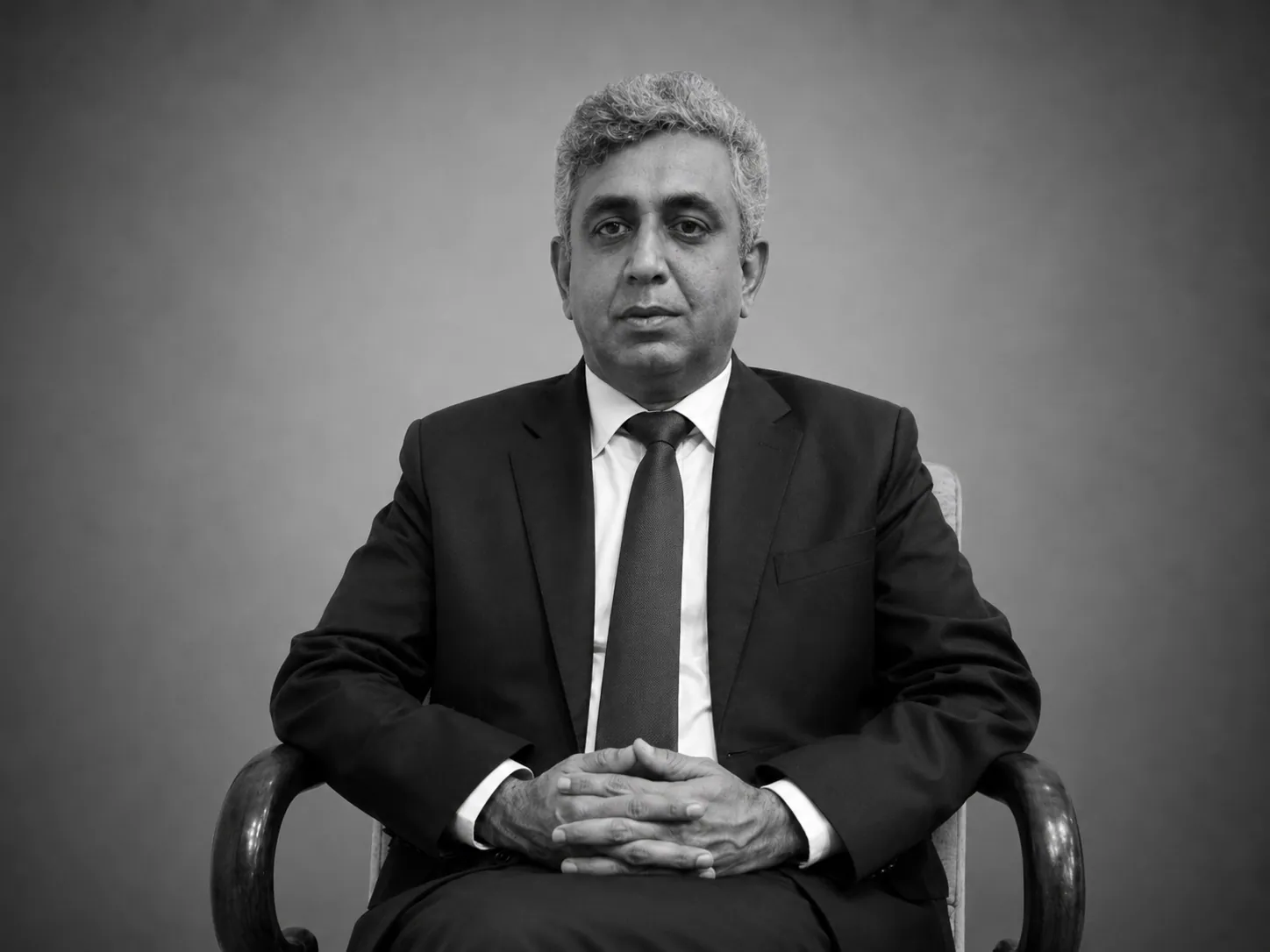
Written by Muhammad Adeel Chaudhry, Senior Partner
Published
Families rarely plan for what happens after a death until it happens, and by then, the practical questions come fast: who can access the deceased's bank account, who collects a pending pension, and what happens if there's more than one wife or a disputed child. Pakistani law answers these through a succession certificate or letters of administration, not simply through a will, and the two are easy to confuse.
At Global Law Company, we regularly assist families in obtaining succession certificates, contesting or defending heirship claims, and administering estates. This complements our guides to inheritance law in Pakistan and women's inheritance and property rights in Pakistan. If the immediate question is which estate document to seek, start with our succession certificate and letter of administration comparison.
1. A Will Doesn't Replace Sharia Shares
For Muslims in Pakistan, a will (wasiyat) can only dispose of up to one-third of the net estate to non-heirs, unless all other heirs consent to more; the remaining two-thirds (or the whole estate, absent a will) passes according to fixed Sharia shares under Muslim personal law. This is a common point of confusion: a will is not a tool for redirecting an entire estate away from legal heirs, it operates within, not instead of, the Sharia framework. Non-Muslims in Pakistan generally have full testamentary freedom under the Succession Act 1925.
2. What a Succession Certificate Actually Covers
A succession certificate, granted under the Succession Act 1925 (and, in Punjab, increasingly under the Punjab Letters of Administration and Succession Certificates Act 2021), authorises the holder to collect debts and securities owed to the deceased, bank balances, pending salary, insurance proceeds, and similar movable assets. It does not, by itself, transfer ownership of immovable property. The Supreme Court's approach in Moulvi Abdul Fateh v. Yar Muhammad (2024 PLD 1223) illustrates how seriously courts scrutinise the underlying facts before granting one: where paternity of the applicants was disputed, the High Court relied on fourteen oral witnesses and documentary evidence, school admission records, NIC verification, GP Fund nomination papers, before concluding the applicants were genuinely the deceased's children under sections 278 and 372 of the Succession Act 1925 and Articles 49 and 91 of the Qanun-e-Shahadat Order 1984.
3. Letters of Administration for Immovable Property
Where the estate includes land, houses, or other immovable property, and there is no will (or the will doesn't cover that property), the appropriate remedy is letters of administration, which authorise the administrator to manage and eventually distribute the immovable estate among the rightful heirs. In Punjab, this process now runs primarily through the Punjab Letters of Administration and Succession Certificates Act 2021, which was designed to streamline what had historically been a slow court process.
4. Proving Who the Legal Heirs Actually Are
Disputes over succession certificates are, in practice, disputes over who counts as a legal heir, and how much weight competing evidence deserves. This came up starkly in Rehana Shafqat v. Afira Butt (2024 MLD 1156 and the related 2024 PLC(CS) 879), concerning pensionary benefits of a deceased Pakistan Telecommunication Company Limited employee survived by two wives. The petitioner argued her husband had already divorced his second wife and that the second wife was therefore not entitled to any pensionary benefits under section 373 of the Succession Act 1925 and Rules 4.7 and 4.10 of the West Pakistan Civil Services Pension Rules 1963. The Trial Court held both wives and their children entitled to shares, and the case turned in part on the administration of a special oath under sections 8 to 11 of the Oaths Act 1873, a reminder that heirship disputes are often won or lost on evidence, not on the underlying entitlement rule itself.
5. Pensions, Nominations, and What Counts as "Estate"
Not everything a deceased person leaves behind is automatically part of their "estate" for succession purposes, and nominating someone for a benefit doesn't necessarily make them the owner. In Mst. Nusrat Fareed v. Haji Ahmed Mujahid (2024 PLD 89), a widow claimed sole entitlement to her late husband's Group Insurance Proceeds as the named nominee, against a competing succession application by his father on behalf of all legal heirs. The Karachi High Court held that Group Insurance Proceeds did not fall within the definition of the deceased's "estate" under section 372 of the Succession Act 1925, meaning they were not available for distribution among legal heirs in the ordinary sense, and, separately, that the mere act of nomination does not by itself grant a nominee ownership of the underlying asset. This distinction, between what is "estate" and what is a separately nominated benefit, regularly changes who is actually entitled to what after a death.
Estate Administration Checklist
- ✓Confirm whether you need a succession certificate (movable assets), letters of administration (immovable property), or both.
- ✓Gather documentary proof of heirship early, NIC records, school certificates, nomination forms, bank records, before any dispute arises.
- ✓Remember a will can only redirect up to one-third of a Muslim estate to non-heirs without full heir consent.
- ✓Check whether a benefit (pension, group insurance, provident fund) is genuinely part of the "estate" or governed by separate nomination rules.
- ✓Where multiple marriages or disputed paternity are involved, expect the court to require detailed evidence, not just assertions.
- ✓File promptly, delayed succession applications complicate access to bank accounts, pensions, and property alike.
Talk to a Wills and Succession Lawyer
Whether you need to draft a will, obtain a succession certificate or letters of administration, or contest a disputed heirship claim, our family and succession team can guide you through the Family or Civil Court process. Contact Global Law Company at 0333 4125951 or visit our chambers at 3rd Floor, Ahmad and Shafi Plaza, 13 Fane Rd, Lahore, 54000.
Frequently Asked Questions
Can a Muslim's will override the Sharia shares of legal heirs?
Only up to one-third of the net estate, and only in favour of non-heirs, unless all other heirs consent to a larger share. The remaining estate passes according to fixed Sharia shares regardless of what a will says.
What's the difference between a succession certificate and letters of administration?
A succession certificate covers movable assets like bank balances, debts, and securities owed to the deceased. Letters of administration are required to manage and distribute immovable property such as land or houses.
How do courts decide who the legal heirs are when it's disputed?
Through documentary and oral evidence, school records, NIC verification, nomination forms, and witness testimony, as seen in Moulvi Abdul Fateh v. Yar Muhammad (2024 PLD 1223), where paternity was contested and resolved on the strength of such evidence.
Is a pension or group insurance payout automatically split among all legal heirs?
Not necessarily. In Nusrat Fareed v. Ahmed Mujahid (2024 PLD 89), the court held that Group Insurance Proceeds fell outside the legal definition of "estate," meaning ordinary succession/heirship rules did not automatically apply to them.
Does naming someone as a nominee make them the legal owner of that asset?
No. Nomination determines who can initially collect a benefit, but courts have held that nomination alone does not confer ownership; the underlying entitlement is still assessed separately.