
Divorce Lawyer in Pakistan | Talaq and Khula Experts, Global Law

Written by Muhammad Adeel Chaudhry, Senior Partner
Published
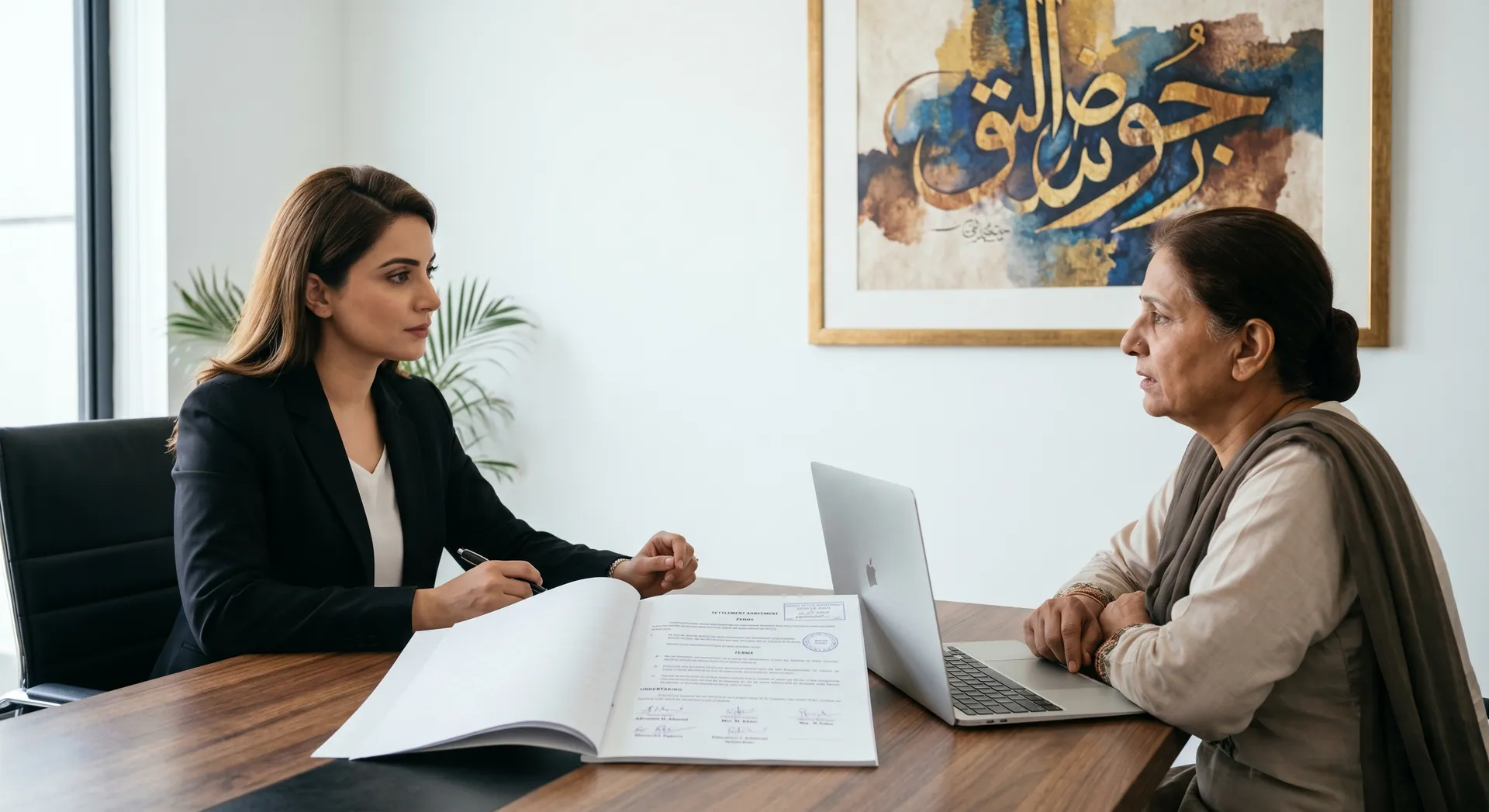
Divorce in Pakistan is not just an emotional decision, it is a legal process with strict notice requirements, waiting periods, and lasting consequences for dower, maintenance, and custody. As an experienced divorce lawyer in Pakistan, Global Law Company guides you through every step, protects your rights, and helps you avoid the procedural mistakes that delay so many separations. We act for clients nationwide, in Lahore, Karachi, Islamabad, Rawalpindi, and other cities, and for overseas Pakistanis ending a marriage from abroad.
A divorce handled correctly closes one chapter cleanly and protects your future. A divorce handled badly can leave you legally still married, financially exposed, or fighting a second round of litigation over children and money. The difference is almost always in the detail, and that is where careful legal work pays for itself.
Divorce by the Husband (Talaq)
When a husband pronounces talaq, the divorce is not legally effective until written notice is given to the Chairman of the relevant Union Council (or Arbitration Council) under Section 7 of the Muslim Family Laws Ordinance 1961, with a copy to the wife. The Council then attempts reconciliation for ninety days. If reconciliation fails, the divorce becomes effective at the end of that period, and the Council issues an effectiveness certificate.
Skipping this notice is one of the most common and costly errors we see. Without it, the talaq can be treated as ineffective, leaving the parties legally still married, casting doubt on a later remarriage, and creating problems with documentation and inheritance. We make sure the notice is served correctly, the reconciliation period is observed, and the effectiveness certificate is obtained so the divorce is beyond challenge.
Divorce by the Wife (Khula and Fault Grounds)
A wife can seek dissolution of marriage through khula by filing a suit in the Family Court, usually returning the dower she received, or on specific fault grounds under the Dissolution of Muslim Marriages Act 1939, such as cruelty, desertion, the husband's failure to maintain her, a long term of imprisonment, or impotence. Khula does not require the husband's consent, the court can grant it once satisfied that the spouses cannot live together within the limits prescribed by Islam.
We explain which route fits your situation and what it means for your financial entitlements, because the choice between khula and a fault-based dissolution can affect dower and other claims. For a full walkthrough of the court process, read our thorough guide to the khula procedure in Pakistan.
Overseas and Cross-Border Divorce
Many of our clients are overseas Pakistanis or have a spouse living abroad. These divorces require careful handling of notice, service, and recognition so the result is valid both in Pakistan and, where relevant, in the country of residence. A divorce that is valid in one country but not the other can create serious problems with immigration, remarriage, and property. We coordinate the steps so the outcome holds up everywhere it needs to, and we can act under a power of attorney so you do not have to travel for every hearing.
What a Divorce Lawyer Protects for You
Beyond the divorce itself, the real disputes are often about money and children: recovery or return of dower (haq mehr), return of dowry articles, maintenance for the wife during the iddat period and ongoing support for the children, and custody and visitation. Handling these together, with a single clear strategy, prevents a fragmented series of cases and gets your life settled sooner. See our companion guides on maintenance law and child custody law, and our broader family lawyer in Pakistan hub page.
Keeping it Dignified
Divorce is painful enough without a lawyer who inflames it. Where the relationship allows, we pursue a negotiated separation that settles custody, maintenance, and financial matters by agreement, faster, cheaper, and far less damaging to any children involved. Where the other side is unreasonable or obstructive, we litigate firmly and efficiently. Either way, we keep you informed and in control.
Documentation That Survives Scrutiny
A divorce is only as secure as the paper trail behind it. Years later you may need to prove your marital status for a remarriage, a visa application, an inheritance claim, or the registration of a child's documents, and at that point a missing Union Council notice, an unissued effectiveness certificate, or an incorrectly recorded decree can become a serious obstacle. We make sure every document is properly executed, served, and retained: the notice and its proof of service, the reconciliation record, the Council's certificate, and the court decree where applicable. Getting the file right at the time is far cheaper than reconstructing it under pressure when an institution abroad or at home demands proof.
Talk to a Divorce Lawyer in Pakistan
A confidential conversation now can save you months of uncertainty. Contact Global Law Company at 0333 4125951 or email globallawcompany@gmail.com, or visit our central legal chambers at 3rd Floor, Ahmad and Shafi Plaza, 13 Fane Rd, Lahore, 54000, to discuss your options privately.
Frequently Asked Questions
How long does a divorce take in Pakistan?
A talaq becomes effective ninety days after proper notice to the Union Council. A khula suit in the Family Court can take a few months depending on whether it is contested.
Is the Union Council notice really necessary?
Yes. Without written notice under Section 7 of the Muslim Family Laws Ordinance 1961, a talaq may be treated as legally ineffective. We make sure it is done correctly.
Can I get a divorce if my husband or wife is abroad?
Yes. We regularly handle cross-border divorces, including service of notice abroad and acting under a power of attorney.
Will I have to return my haq mehr in a khula?
In a khula, the wife typically returns the dower she received, but the exact treatment depends on the facts. We advise you on this before you file.
Do you handle divorce cases nationwide?
Yes. We act for clients across Pakistan and can file or defend a divorce in whichever Family Court has jurisdiction over your matter.