
Import and Export Registration in Pakistan
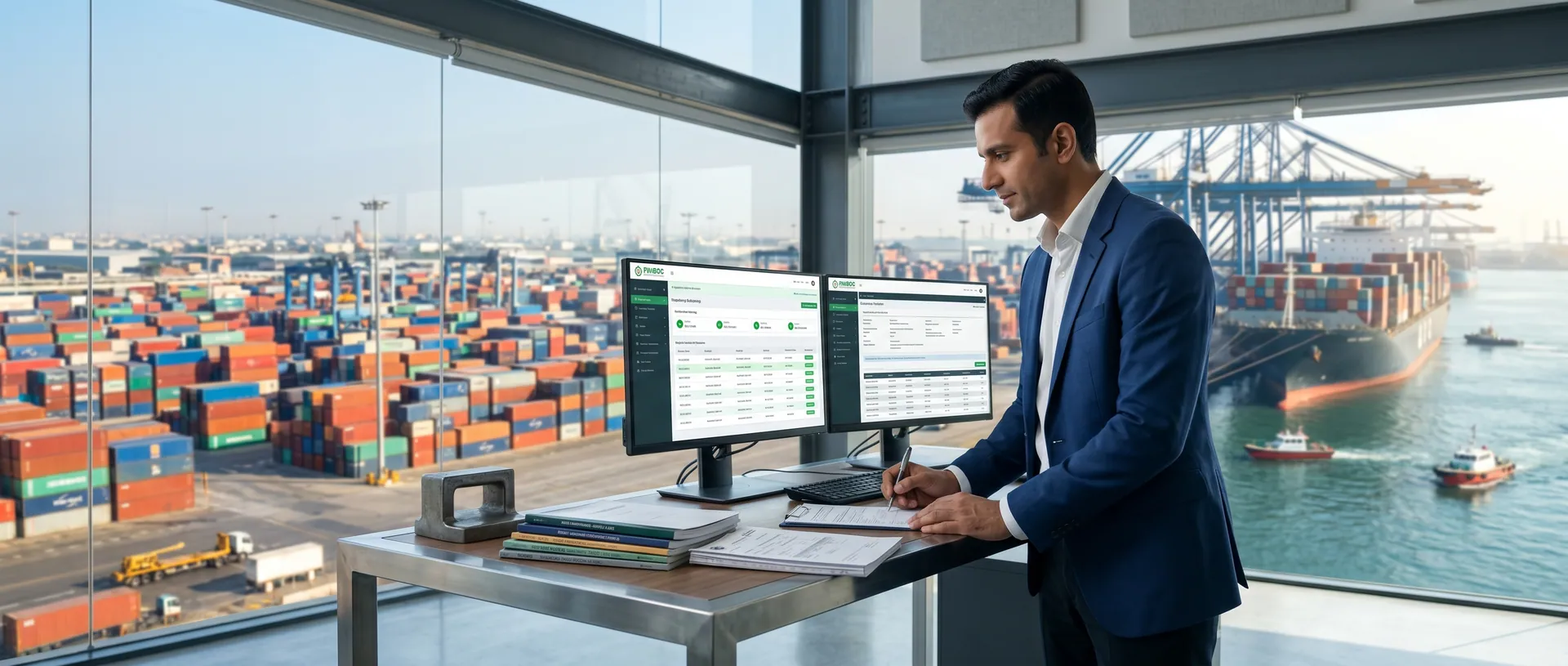
International trade is a major driver of Pakistan's economy, but moving goods across the border lawfully requires the right registrations, the right documentation, and compliance with customs and trade regulation. A business that gets these foundations right trades smoothly; one that does not faces detained consignments, penalties, and lost time. Global Law Company helps importers, exporters, and trading businesses across Pakistan register correctly and stay compliant with the country's trade and customs framework.
Whether you are importing raw materials, exporting finished goods, or both, the legal side of trade is not a one-time formality. It runs from initial registration through every consignment, and the rules, tariffs, valuation, prohibitions, and incentives, change regularly. We help businesses set up properly and keep trading without avoidable disruption.
The trade and customs framework in Pakistan
Cross-border trade in Pakistan is governed primarily by the Customs Act 1969, administered by the Federal Board of Revenue (FBR) and Pakistan Customs, together with the Import Policy Order and Export Policy Order issued under the Imports and Exports (Control) Act 1950. Customs clearance is processed through the electronic systems WeBOC and the Pakistan Single Window (PSW). Trade also engages sales tax and federal excise on imports, foreign-exchange rules administered by the State Bank of Pakistan, and product-specific standards and certifications. Knowing which regime applies to your goods is essential to trading lawfully and efficiently.
Registration and licensing
To import or export, a business generally needs to be registered with FBR (holding a National Tax Number and, where applicable, sales-tax registration), enrolled on WeBOC/PSW, and a member of the relevant chamber of commerce or trade association where required. Certain goods need specific licences, permits, or no-objection certificates from regulatory bodies, for example, food, pharmaceuticals, chemicals, telecom equipment, and controlled items. We handle the registrations and identify the sector-specific approvals your particular goods require, so your first consignment is not your first lesson in compliance.
Customs, documentation, and dispute resolution
Smooth trade depends on accurate documentation and correct classification and valuation of goods. We advise on tariff classification (HS codes), customs valuation, rules of origin, and the documentation that accompanies a consignment, invoices, packing lists, certificates of origin, and letters of credit. When problems arise, a detained or seized consignment, a disputed valuation or classification, a penalty, or a show-cause notice, we represent businesses before the customs authorities, the Collector (Appeals), and the Customs Appellate Tribunal, working to release goods and resolve liability quickly.
Trade incentives, FTAs, and SROs
Pakistan's trade regime is full of incentives and concessions for businesses that know how to use them, duty drawbacks and rebates for exporters, concessionary rates under free-trade and preferential-trade agreements, exemptions and reduced rates under Statutory Regulatory Orders (SROs), and schemes for export-oriented and special-economic-zone manufacturers. Used correctly, these can materially reduce the cost of trading; missed, they leave money on the table. We help businesses identify and claim the incentives and concessions available to their goods and operations, and ensure they meet the conditions attached so the benefit is not later clawed back.
Compliance with prohibitions and controls
Some goods are prohibited, restricted, or subject to special controls, on health, security, environmental, or policy grounds, and dealing with them without the correct permissions invites seizure and penalties. We advise on the import and export status of particular goods, on the permits and certifications required for controlled items, and on compliance with anti-money-laundering and trade-control obligations that increasingly affect international trade. Knowing the status of your goods before you ship is far cheaper than discovering it at the port.
How Global Law Company helps
We give trading businesses a single source of advice across the whole trade cycle, initial registration, sector licensing, customs compliance, and dispute resolution. We help new traders set up correctly and established traders resolve the customs and regulatory issues that interrupt their business. Because trade touches tax, foreign exchange, and sector regulation at once, we coordinate these strands so a consignment is not held up by an issue in one of them.
Why choose Global Law Company
Trade compliance rewards advisers who understand both the rules and the practical realities of clearing goods. We know the customs framework and the WeBOC/PSW systems, we identify the licences your goods actually need, and we act quickly when a consignment is at risk. Our broader tax and corporate experience means we set up trading businesses on a sound footing and resolve disputes with the wider business in mind.
Talk to a trade lawyer in Pakistan
Speak with a lawyer at Global Law Company
Need help with Import and Export Registration? Book a confidential consultation. Reach us directly and we will respond within 4 business hours.
Monday to Saturday, 10:00 AM to 6:00 PM
Frequently Asked Questions
Generally FBR registration (NTN and, where applicable, sales-tax registration), enrolment on WeBOC/PSW, chamber membership where required, and any sector-specific licences for your goods. We handle the setup.
WeBOC and the Pakistan Single Window are the electronic systems used to process customs clearance and trade documentation. Enrolment is essential for importers and exporters.
Seek advice immediately. We represent traders before the customs authorities and appellate forums to secure release and resolve valuation, classification, or penalty disputes.
No, but many do, food, pharmaceuticals, chemicals, telecom equipment, and controlled items, among others. We identify the approvals your specific goods require.
Yes. We handle valuation and classification disputes, penalties, and show-cause notices before the customs authorities, the Collector (Appeals), and the Customs Appellate Tribunal.
Yes. Duty drawbacks, rebates, SRO concessions, and free-trade-agreement preferences can reduce trade costs. We help you identify and claim those available to your goods.
The Import and Export Policy Orders and sector rules govern this. We confirm the status of your goods and obtain any permits or certifications required before you ship.
Related Business and Commercial services
View all→Further reading
In-depth guides from our legal team on closely related topics.
- 6 MIN READ
Corporate Lawyer in Pakistan | Business and Company Law, Global Law
Top corporate lawyer in Pakistan. Global Law Company handles company registration, contracts, compliance and tax for businesses nationwide. Book a consultation.
- 5 MIN READ
Contract Lawyer in Pakistan | Drafting and Review, Global Law
Protect your business with professionally drafted and reviewed contracts in Pakistan: agreements, NDAs, employment and vendor deals. Nationwide help from Global Law Company.
- 7 MIN READ
Competition Law in Pakistan: Abuse of Dominance, Deceptive Marketing, and Mergers
What does the Competition Commission of Pakistan actually enforce? A practical guide to abuse of dominance, deceptive marketing, and merger control under the Competition Act 2010.
- 6 MIN READ
Consumer Protection Law in Pakistan: Your Rights Against Defective Goods and Bad Service
Bought a defective product or received bad service in Pakistan? Here's how consumer protection law actually works province by province, and what consumer courts can award.